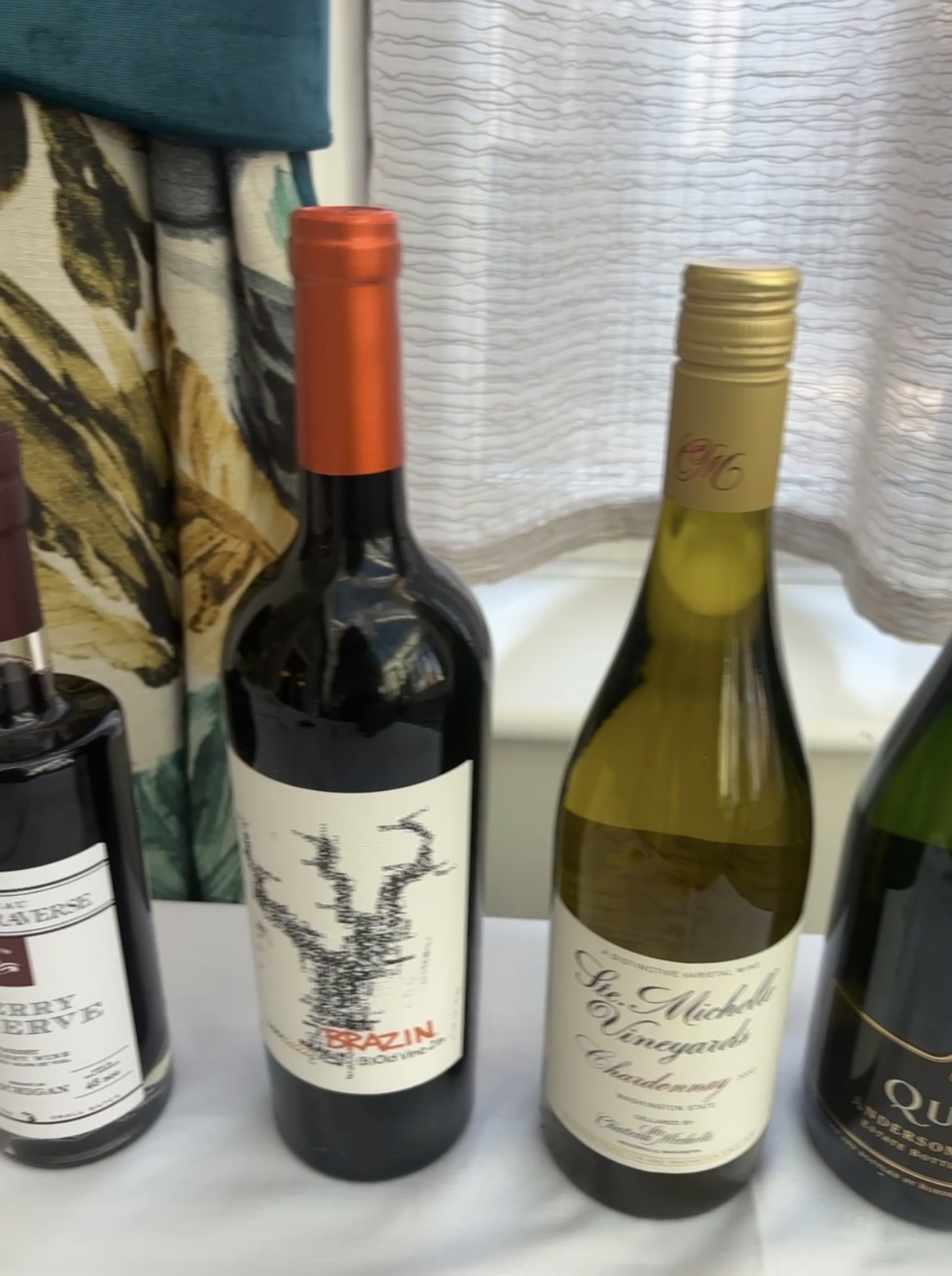
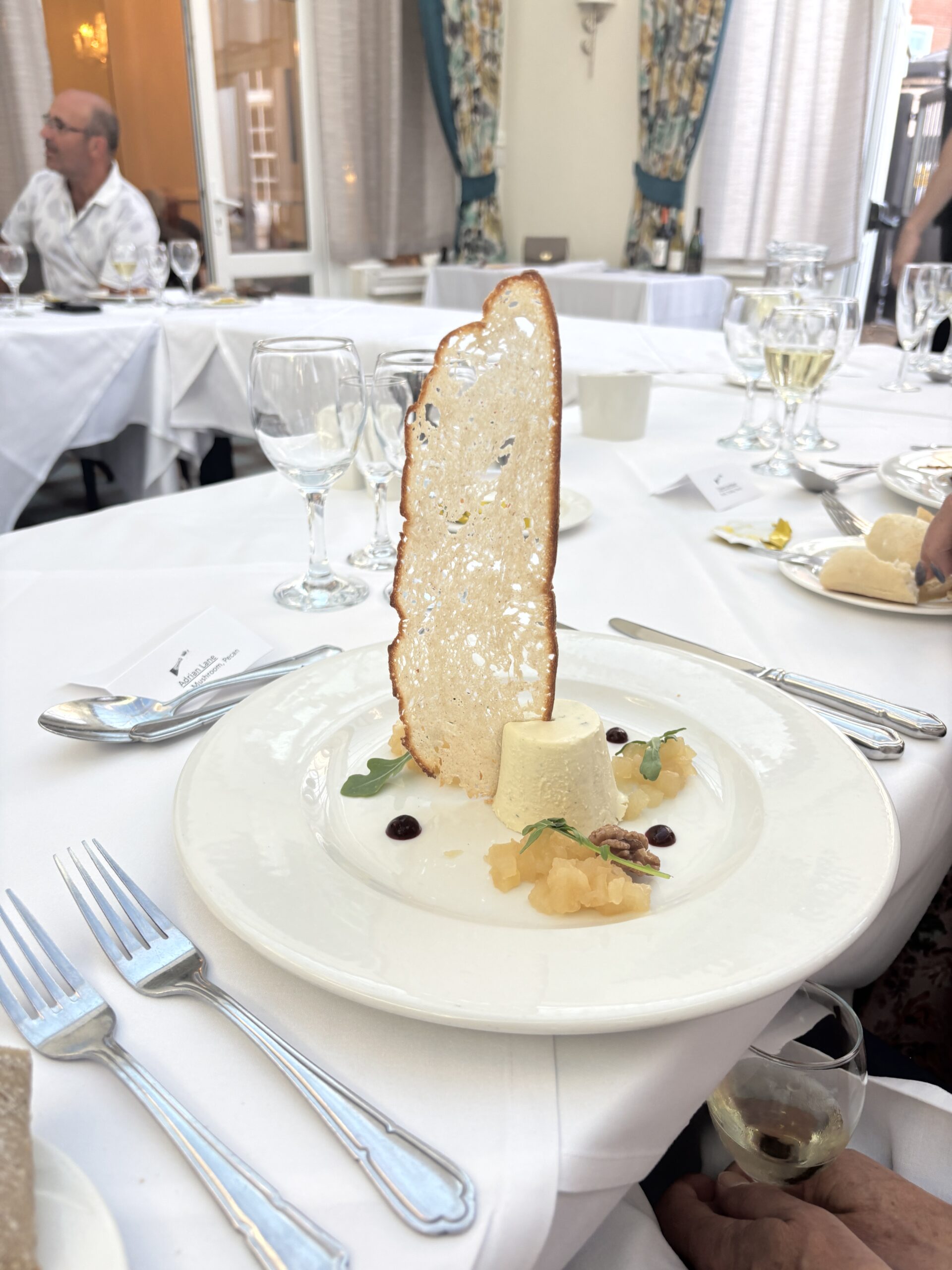
This Fourth of July, we’re hosting a wine dinner built entirely around American wine — four courses, four wines, four corners of the country. Before we get to the pairings, it’s worth pausing on just how unlikely American wine is in the first place. It’s a story full of failure, disease, immigrants planting vines in places nobody thought they’d survive, and one blind tasting in Paris that changed everything.
A Short History of American Wine
Grapevines didn’t start here. Spanish missionaries planted the first true European vinifera in California all the way back in 1769, growing the so-called Mission grape to make sacramental wine. On the East Coast, colonists — Thomas Jefferson among them — spent the better part of two centuries trying and failing to grow European vines at all, undone by native soil pests they didn’t even know existed.
Chief among those pests was phylloxera, a root louse native to North America. In the 1860s, American rootstock shipped to Europe as a botanical curiosity carried phylloxera with it, and within a few decades it had nearly wiped out every vineyard in France. The fix — discovered by a French botanist and an American entomologist working together — was to graft European vinifera onto phylloxera-resistant American rootstock. It’s still standard practice today, which means most of the world’s “French” and “Italian” vines are, technically, growing on American roots. The vines that once threatened to keep American wine from existing ended up saving European wine instead.
Then came Prohibition, from 1920 to 1933, which came close to finishing the job domestically. It took decades to rebuild. The real turning point arrived in 1976, at a blind tasting in Paris where French judges — tasting blind, no less — ranked a Napa Valley Chardonnay and Cabernet Sauvignon above their own Burgundies and Bordeaux. The “Judgment of Paris” made headlines around the world and put American wine on the map for good.
Today the United States is the world’s fourth-largest wine producer, with more than 260 federally recognized American Viticultural Areas stretching from foggy coastal valleys to high desert to, as it turns out, cherry orchards in northern Michigan. Tonight’s four wines trace a small slice of that story, coast to coast.
The Wines
Roederer Estate “Quartet” Brut NV — Anderson Valley, California
We’re opening with bubbles, and there’s a real Champagne pedigree behind this one. Roederer Estate is owned by the house of Louis Roederer, family-run since 1776. In the early 1980s, the family’s seventh-generation head, Jean-Claude Rouzaud, spent years scouting California for a site that could recreate Champagne’s cool, marginal climate rather than simply imitate its wines. He chose Anderson Valley, where the Navarro River cuts a gap to the Pacific and pulls fog inland every single day — the same daily cooling that keeps Chardonnay and Pinot Noir bright and high in acid back in Champagne itself. The first vines went in in 1984; the first release came in 1988.
In the glass, expect pear and toasted hazelnut, a fine persistent mousse, and a crisp, biscuity finish. It’s a good reminder of how far American sparkling wine has come and a perfect palate opener alongside canapés.
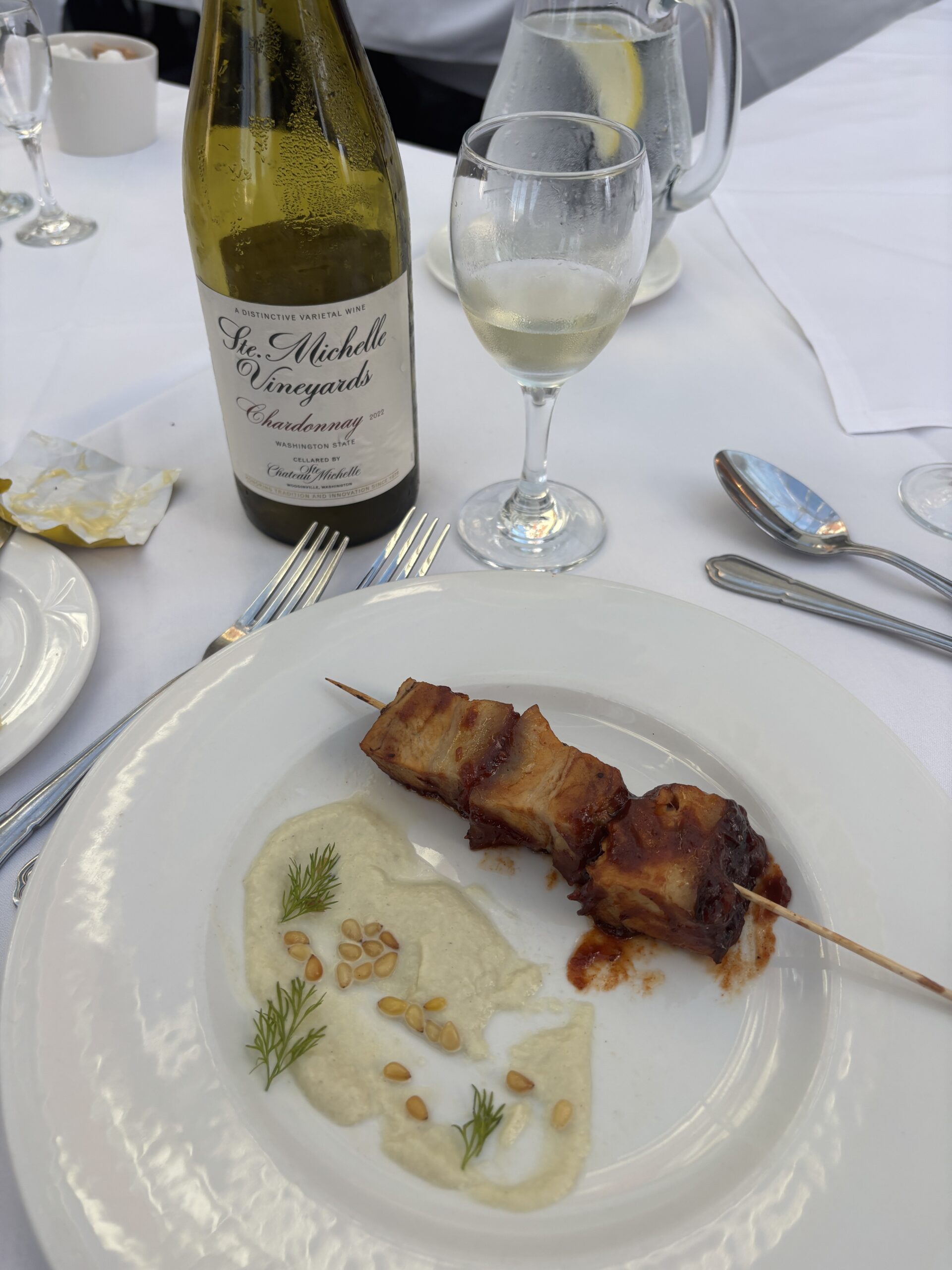
Chateau Ste. Michelle Chardonnay — Columbia Valley, Washington
Washington’s oldest winery traces back to a 1934 merger of two Seattle-area wine companies that, for their first few decades, mostly made fruit and fortified wines. It wasn’t until 1967 that the winery committed to European vinifera grapes, eventually building the chateau in Woodinville that still appears on the label today, in 1976.
The grapes themselves grow in the Columbia Valley, which is technically high desert irrigated by the Columbia River, sitting at roughly the same latitude as Burgundy. The huge swing between hot days and cold nights lets Chardonnay ripen fully without losing its acidity, which is why this wine manages to be full-bodied, citrus, apple, a touch of vanilla and toasted oak, without feeling heavy. It’s a versatile match for a starter course.