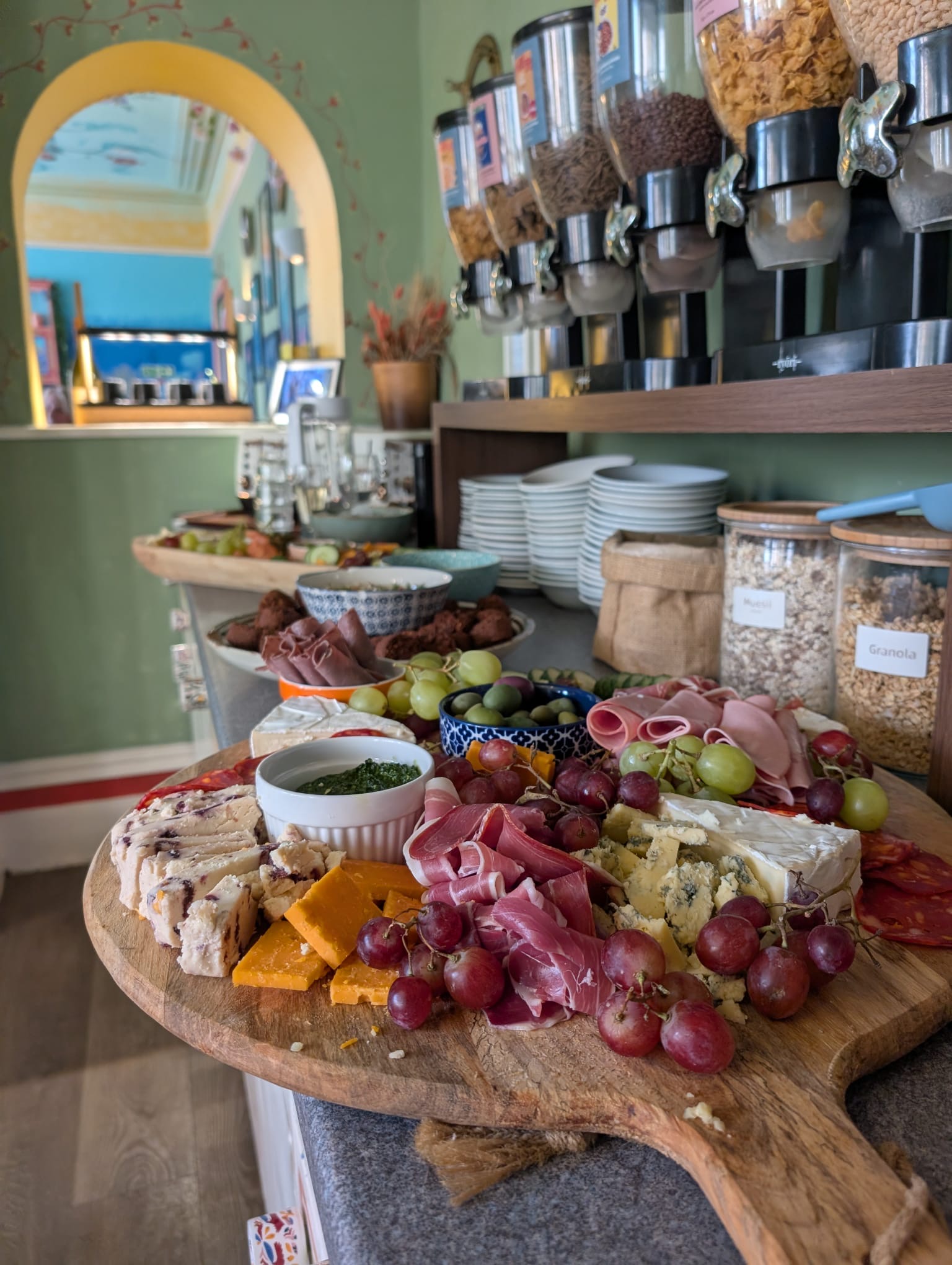
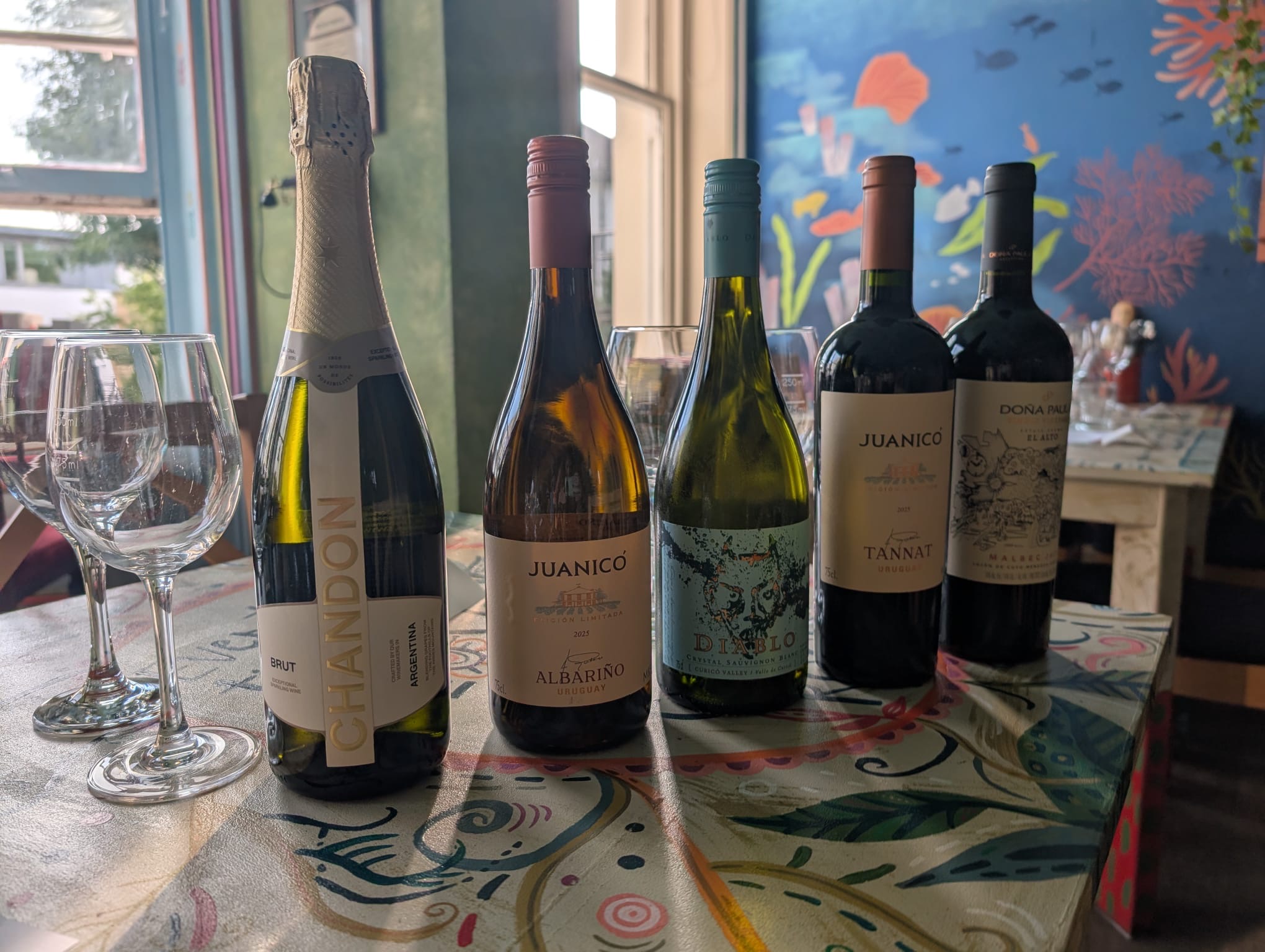
We spent an evening at a brand new venue for us, The Sheldon Hotel in Eastbourne, exploring one of the world’s most exciting wine regions. We tasted our way through Argentina, Chile and Uruguay, five wines that showed just how far South American winemaking has come. Steve and the team at the hotel also put on the most amazing spread for us all.
Furthermore, our charity raffle raised £215 for St Wilfrids Hospice! That is enough to support a nurse for a day – thank you so much everyone!
A Short History of South American Wine
South America’s wine story starts with the Spanish. Vitis vinifera cuttings arrived with missionaries, first reaching Peru around 1551 for sacramental wine, then spreading south into Chile and across the Andes into Mendoza, Argentina, by the mid 1500s. For centuries these were mostly workaday, high yield wines made for local consumption.
The shift toward quality began in the mid to late 1800s, when European vines (mostly French, arriving after phylloxera devastated European vineyards) and winemaking expertise came over alongside a wave of immigration: Bordeaux influence shaped Chile and Argentina’s Malbec, while Basque settlers brought Uruguay its Tannat.
The real international breakout came in the 1990s and 2000s, when foreign investment, modern winemaking and export driven quality pushes turned the continent from bulk wine territory into a serious fine wine source. Today Argentina and Chile sit just behind the traditional European giants and the US in global production volume.
Here’s what we poured.
The Wines
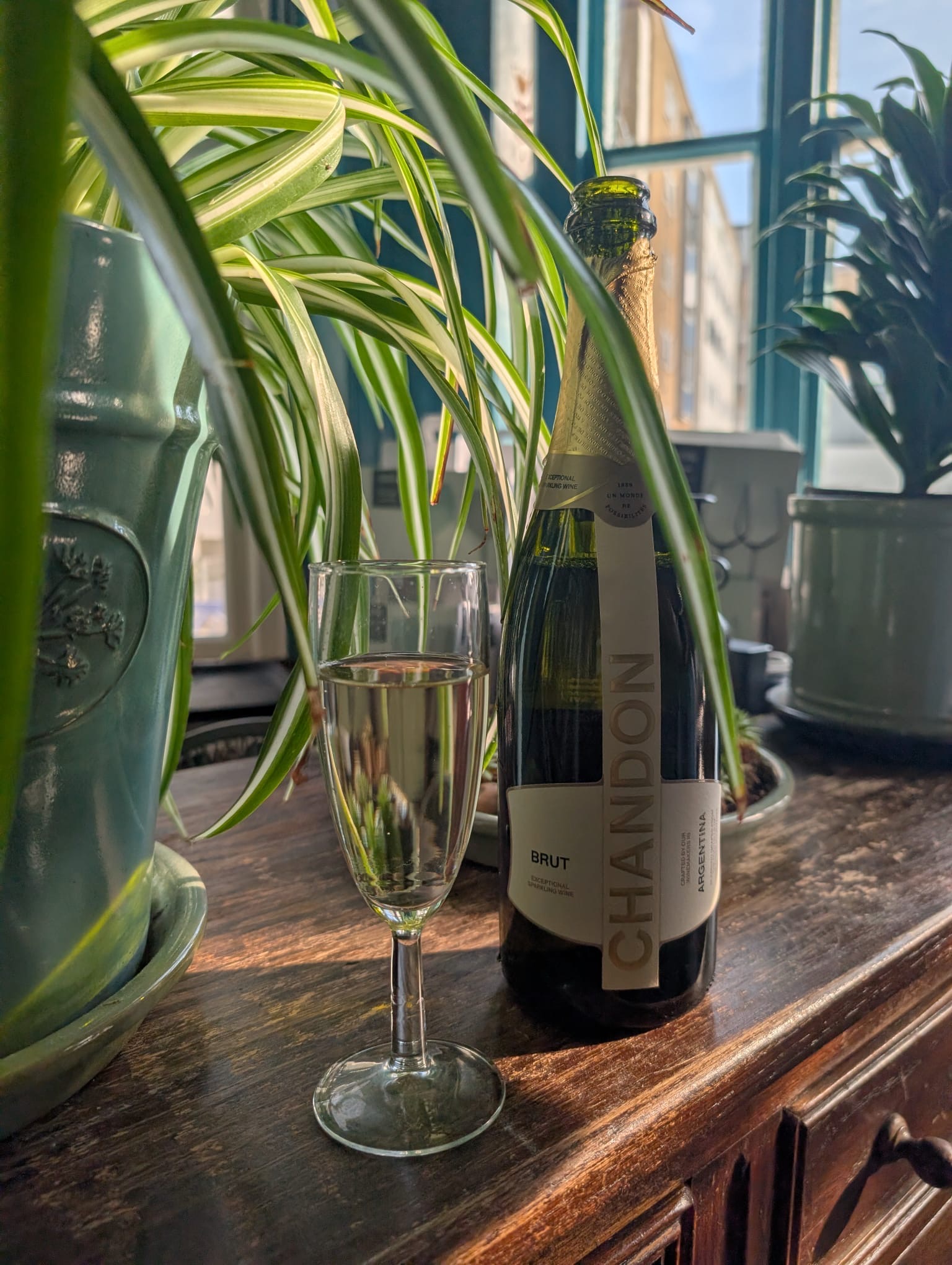
Sparkling: Chandon Argentina
Chandon Argentina was founded in 1959 as the very first international venture of Moët & Chandon, before Domaine Chandon California even existed. Chairman Jean de Vogüé sent winemaker Renaud Poirier hunting for a “new world” terroir outside Champagne, and Mendoza won. Chandon now has estates on four continents: South America (Argentina and Brazil), North America (California, USA), Australia (Oceania), and Asia (China and India).
Head winemaker Ana Paula Bartolucci puts it best: “There’s nowhere else quite like it on the planet. It’s an extreme climate, a desert. There are no bodies of water nearby to give a moderating effect. But what we do have are the magical, awe inspiring Andes mountains, a marvel of nature. They’re a 7,000m barrier between us and the Pacific, so we’re in a rain shadow. Vines thrive on limited water. They are also hardy plants that adapt well. But fruit does need some water. All our water is Andean meltwater. Our conditions give our wine a very special quality. You get wines with absolute, untainted purity of expression.”
The wine came from Agrelo, in Mendoza’s Luján de Cuyo, Argentina, where sunny days and cool nights at altitude, plus chalky soils, gave the base wines bright acidity and concentration, ideal for the traditional method.
It was a blend of Chardonnay and Pinot Noir, made using the traditional (Champagne) method of secondary fermentation in the bottle, with 18 months aging on the lees. That was followed by a minimum of three further months aging in the bottle before release, bringing the total aging period to over 21 months.
£16 from Sainsbury’s
White: Juanicó Albariño, Uruguay
Uruguay is very different to Argentina and Chile. It doesn’t have the altitude of the Andes, and it gets a lot of sun and rain, which makes keeping vines disease resistant a real challenge. What it does have is a cooling influence from the Antarctic currents in the South Atlantic. Uruguayans have long been avid wine lovers and drinkers, and this unusual country is now the fourth largest wine grower in South America, a position it’s growing into rapidly.
This particular wine came from Canelones, Uruguay, on the Juanicó estate, where vineyards sit less than 30 km from the Atlantic coast and the Río de la Plata, giving cool, maritime influenced fruit. Juanicó is one of Uruguay’s oldest and largest wineries, with the estate dating to the 1740s. In 1830, Juan Francisco Juanicó built an underground cellar there, the first of its kind in Latin America and still in use today. The estate was bought by the Deicas family in 1979 and is now run by the third generation, Santiago Deicas.
Albariño, the aromatic Galician and Spanish white grape, is still a rarity in South America, where it’s only just beginning to be recognised as a rising star for Uruguay. That’s largely down to the vine canopy methods used here: growers train the vines pergola style, so the grapes grow up and over, which keeps the fruit away from disease on the wet ground and protects it from sun damage too.
£10 from Marks and Spencers